
About APLU


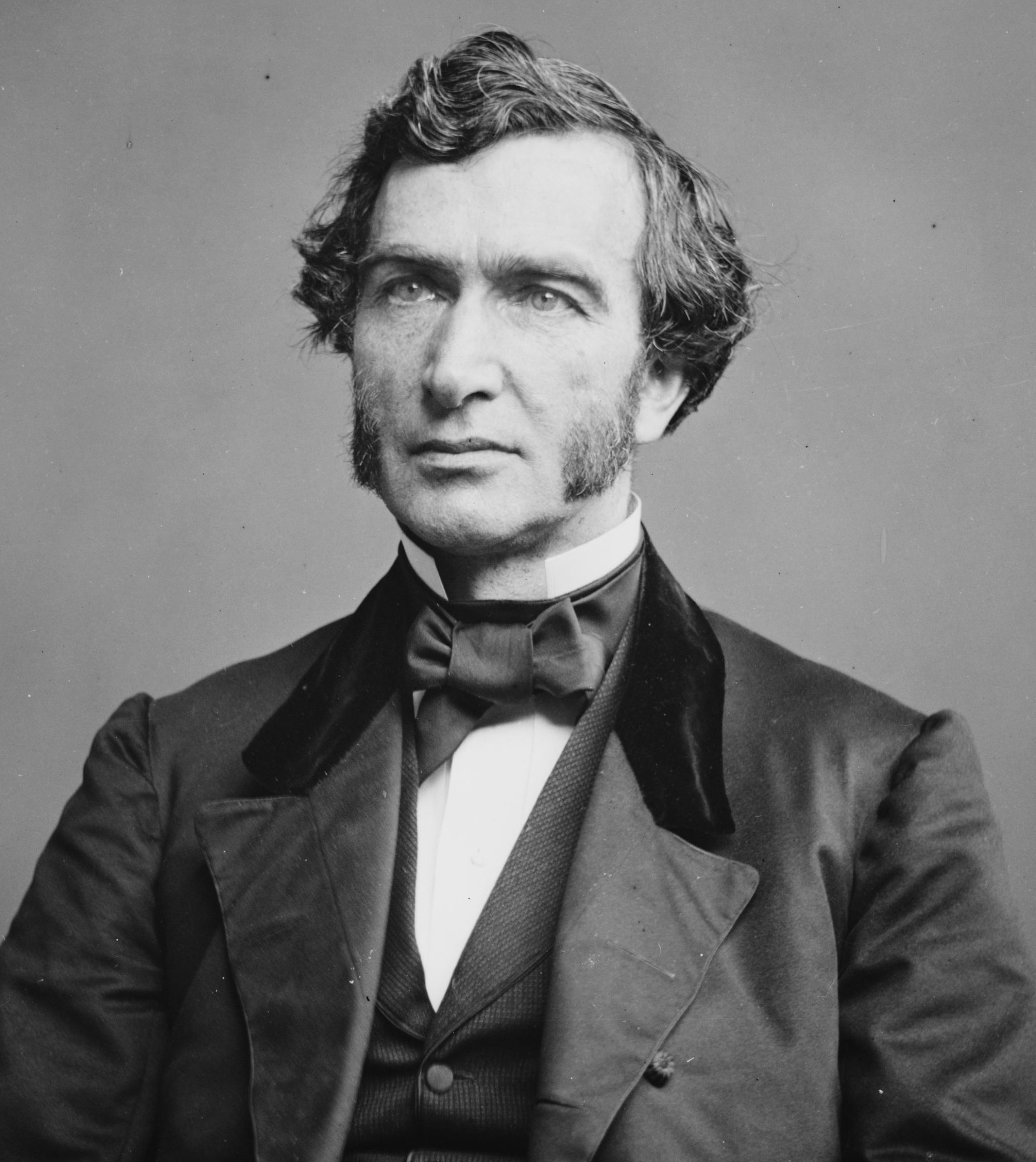 1862—First Morrill Act is passed, establishing land-grant colleges by providing federal lands to the states to be sold to support colleges of agriculture and mechanical arts.
 1887—The first annual convention of the Association of American Agricultural Colleges and Experiment Stations is held in Washington, D.C. George W. Atherton, president of Pennsylvania State University, is elected president, and membership is limited to colleges receiving benefits under the 1862 Morrill Act and the 1887 Hatch Act. The association begins work in support of the second Morrill Act.
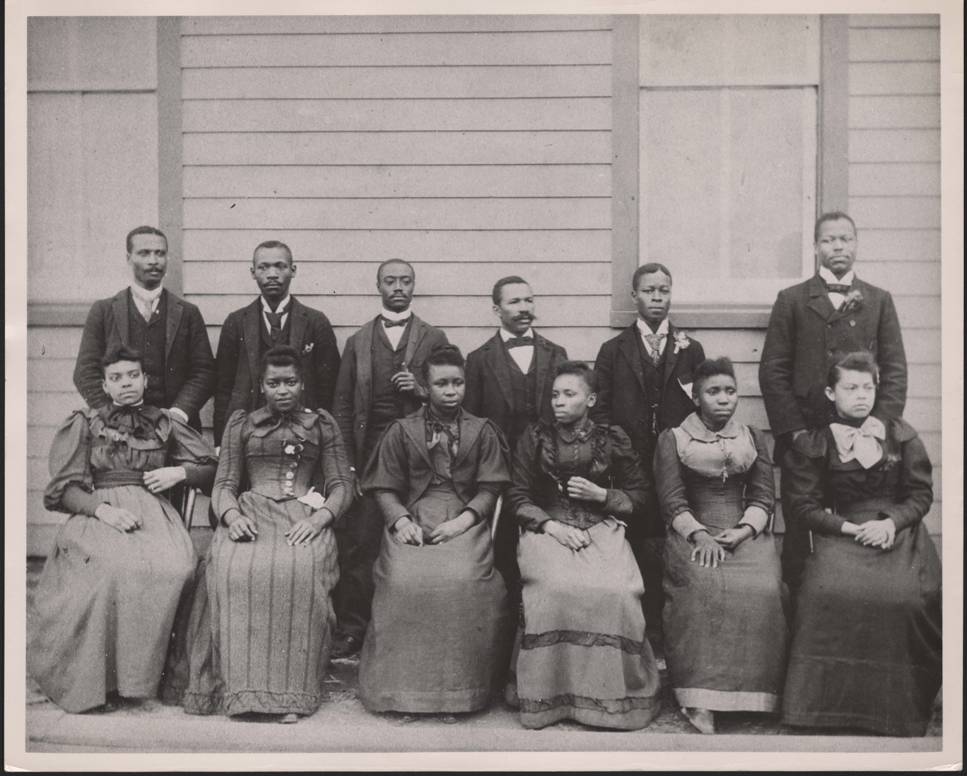 1890—The Second Morrill Act is passed, providing further endowment for colleges. Part of the funding is to be used for institutions for black students, leading to the creation of 17 (19 currently) historically black land-grant colleges.
 1914—The Smith-Lever Act is passed, providing federal support for land-grant institutions to offer instruction beyond their campuses through Cooperative Extension efforts in agriculture and home economics.
 1963—The completed merger formally creates the National Association of State Universities and Land-grant Colleges (NASULGC), which undergoes major changes in structure and governance.
 1979—Ralph K. Huitt retires and is succeeded by Robert L. Clodius, who is designated president.
 1987—The Thurgood Marshall Scholarship Fund is established, supporting scholarships at the historically black public colleges and universities.
 1992—Robert L. Clodius retires and C. Peter Magrath becomes NASULGC’s president, and new bylaws are adopted that streamline the association’s structure.
 1998—NASULGC purchases a building jointly with three other higher education associations and moves to new offices located at 1307 New York Avenue, N.W., Washington, D.C. 20005.
 2009—The association adopts a new name on March 30: Association of Public and Land-grant Universities (APLU).
Stay Connected
X (formerly Twitter)
Facebook
YouTube
LinkedIn
RSS